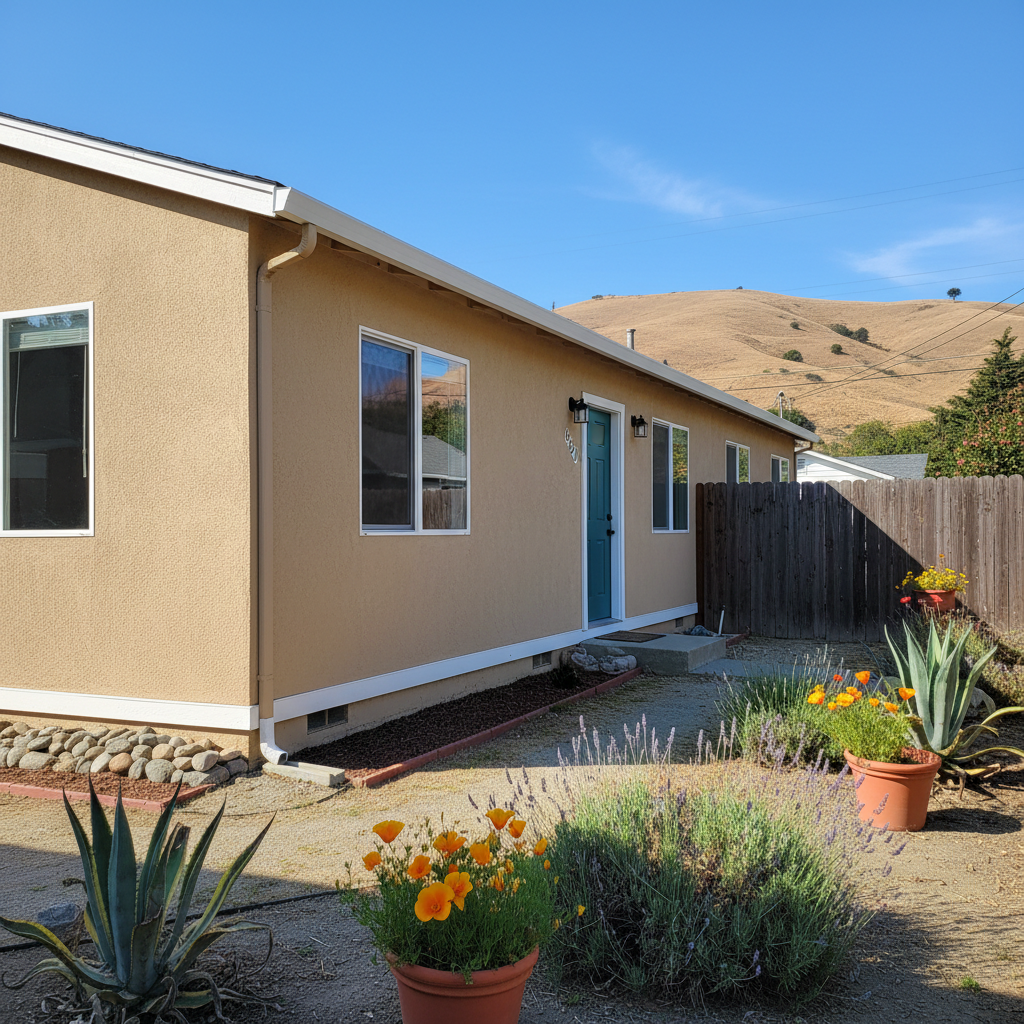
You're probably wondering what new stucco is going to cost you here in Richmond. It's a fair question, and frankly, a lot of folks just give you a vague answer. I'm not going to do that. I've been doing this work for years, and I've seen all kinds of projects, from small repairs to full exterior overhauls. Let's talk about the real numbers and what goes into them.
What Really Drives Stucco Installation Costs?
A lot of things affect the final price tag, and it's more than just the square footage. You've got to consider the whole picture.
- Type of Stucco System: This is a big one. Traditional three-coat stucco (which is what we usually recommend for its durability) is different from one-coat or synthetic (EIFS) systems. Three-coat involves a scratch coat, a brown coat, and then the finish coat. It's labor-intensive and uses more material, so it costs more upfront but lasts a long, long time.
- Condition of the Existing Surface: Are we going over old siding? Is there existing stucco that needs to be removed? If we have to tear off old material, that's extra labor and disposal fees. Sometimes, we find dry rot or other structural issues once we open things up, which adds to the cost because those problems need fixing first.
- Architectural Complexity: A flat, rectangular house is a lot easier and faster to stucco than one with lots of corners, arches, gables, or intricate detailing. Every bump-out, window, or door frame adds time and requires more precise work. If you've got a lot of fancy trim work or decorative elements, expect the price to climb.
- Scaffolding Needs: How tall is your house? A single-story ranch is simple. A two-story or even three-story home, especially if it's on a sloped lot like some of the homes up in the Richmond Hills, means we'll need extensive scaffolding. That's a significant cost for setup, rental, and takedown.
- Choice of Finish and Color: A standard smooth or sand finish is pretty common. If you want a specialty finish like a dash, lace, or a custom texture, that can add to the cost because it requires more specialized application techniques. Custom colors might also cost a bit more than standard options.
- Accessibility: Can we easily get our equipment and materials to all sides of your house? If we're working in a tight space or need to protect landscaping, it takes more time and effort.
Typical Stucco Installation Cost Ranges in Richmond, CA
Alright, let's get down to some actual numbers. For a full stucco installation on an average Richmond home, you're generally looking at a range of $9 to $15 per square foot. This includes materials, labor, and basic prep work for a traditional three-coat system.
So, for example:
- A smaller home, say 1,200 square feet of exterior wall surface, might run you $10,800 to $18,000.
- A medium-sized home with 2,000 square feet of exterior surface could be anywhere from $18,000 to $30,000.
- For a larger or more complex house with 3,000 square feet or more, you could be looking at $27,000 to $45,000+.
Keep in mind, these are averages. If your house has a ton of intricate details, needs extensive dry rot repair, or requires specialized scaffolding, you might be at the higher end or even a bit above these ranges. If you're just doing a small patch or repair, that's a different ballgame entirely, usually priced by the job rather than per square foot, with minimum charges typically starting around $750-$1,500.
What Should a Stucco Quote Include?
When Richmond Stucco & Plastering gives you a quote, or any reputable company for that matter, it should be detailed. Don't accept a one-liner. Here's what you should expect to see:
- Detailed Scope of Work: Exactly what's being done. Is it a full tear-off and re-stucco? Going over existing siding? What kind of stucco system?
- Materials Breakdown: Type of lath, scratch coat, brown coat, and finish coat specified. Brand and type of stucco product.
- Prep Work: What steps will be taken to prepare the surface, including flashing around windows and doors, weep screeds, and casing beads.
- Labor Costs: Clearly outlined.
- Cleanup and Debris Removal: This should always be included. You don't want a mess left behind.
- Permits: Who is responsible for pulling necessary permits (usually the contractor).
- Warranty Information: What kind of guarantee do they offer on their work?
- Payment Schedule: How payments will be structured throughout the project.
How to Avoid Overpaying for Stucco
Nobody wants to get ripped off. Here's my advice:
- Get Multiple Bids: Don't just go with the first guy. Get at least three detailed quotes from local, licensed contractors. Compare them line by line.
- Check References and Licenses: Always, always, always. Ask for proof of insurance and check their CSLB license number. Call their references.
- Don't Chase the Lowest Bid: The cheapest bid often means corners are being cut. Stucco is a long-term investment. You want it done right the first time. A ridiculously low price is a huge red flag.
- Ask Questions: If something in the quote isn't clear, ask. A good contractor will take the time to explain everything to you.
- Get Everything in Writing: Never agree to anything verbally. Your contract should spell out every detail we just talked about.
Doing your homework upfront will save you a lot of headaches and money in the long run. Good stucco work protects your home and makes it look great, so it's worth investing in quality.