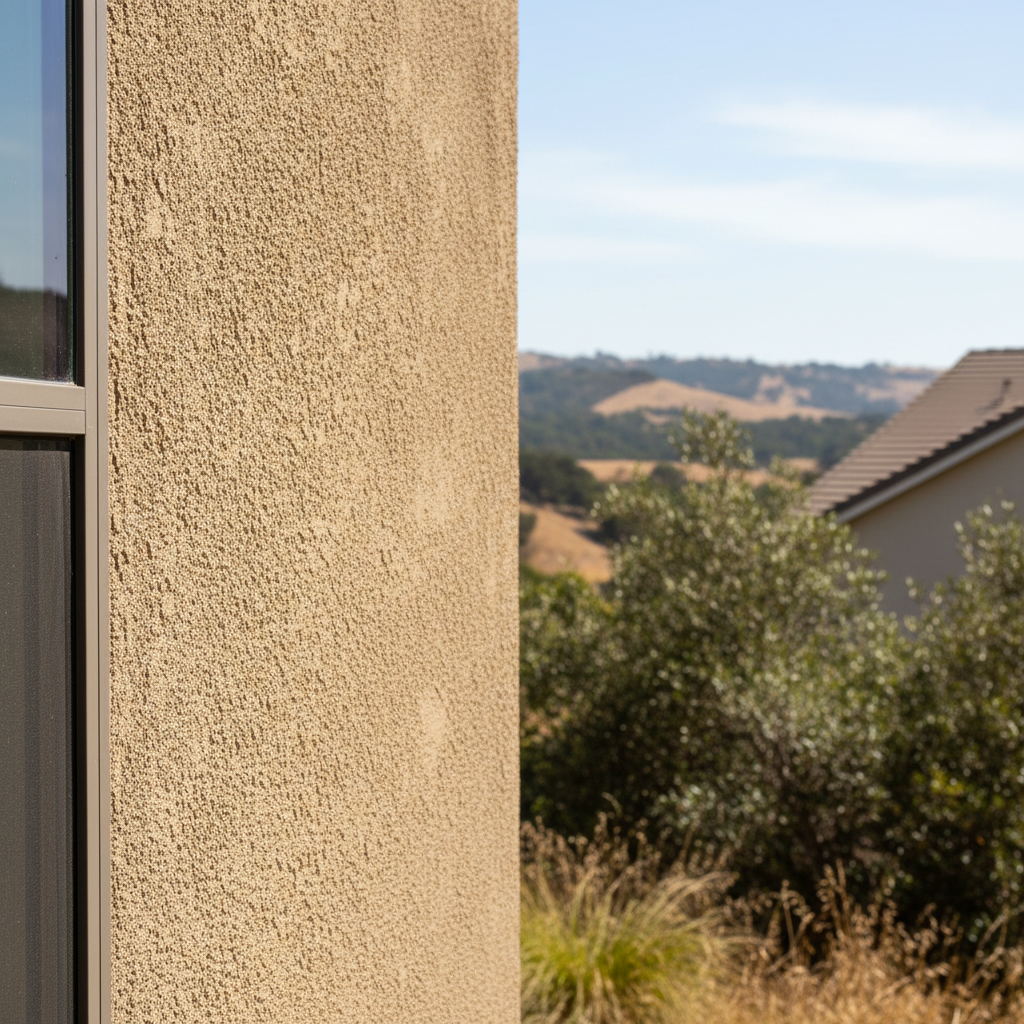
So, you're probably looking at EIFS – that's Exterior Insulation and Finish Systems – and wondering if it's something you can just slap on your house yourself. Totally fair question, especially with all the DIY videos floating around these days. But let me tell you straight: EIFS isn't like painting your living room on a Saturday afternoon. It's a complicated system, and if you mess it up, you're looking at some serious headaches and expensive fixes down the road. Trust me.
I've seen countless homes here in Richmond, from the old Victorians over in Point Richmond to the newer places in Marina Bay, and every single one needs a solid exterior. EIFS can be amazing for insulation and how your house looks, but getting it installed right? That's the real trick. Let's talk about what you really need to know.
Before You Even Think About It: Plans & Permits
First things first, don't even consider touching EIFS until you've done your homework. This isn't just about picking a color, you know? You've got to understand the different kinds of EIFS – are we talking barrier systems or drainage systems? Here in Richmond, where we definitely get our share of rain, especially in winter, a drainage system is almost always the smarter, safer choice. It lets any moisture that sneaks behind the EIFS actually get out, which stops rot and mold from forming.
You'll also need to check with the City of Richmond's planning department about permits. Seriously, you do not want to be halfway through a project only to find out you're breaking local building codes. A good contractor will handle all this for you, but if you're going the DIY route, this is all on your shoulders. We're talking drawings, specific material details, and sometimes even engineering reviews.
What You *Can* Do Yourself (If You're Really Handy)
Alright, so what parts of an EIFS project are actually doable for a homeowner? Honestly, not much of the actual installation, but you can definitely help with getting things ready and cleaning up.
- Surface Prep: You can give the existing exterior walls a good, thorough cleaning. Power washing, scraping off loose paint, and making sure the surface is free of debris is a great start. This helps the EIFS components stick properly.
- Demolition (Carefully): If you're replacing an old exterior, you might be able to help take off old siding or stucco. Just be super careful not to damage the sheathing or anything structural underneath. This is where a lot of homeowners get into trouble, thinking it's just about tearing stuff down.
- Site Management: Keeping the work area clear, protecting your landscaping, and handling waste disposal are all things you can do to support the project, whether you're doing it yourself or hiring pros.
And that's pretty much it for the hands-on stuff. Anything involving the actual EIFS components – the adhesive, insulation board, base coat, mesh, and finish coat – requires specialized knowledge and tools. It's a whole different ballgame.
When to Call a Pro (Which is Most of the Time)
Look, I'm a contractor, so maybe you think I'm biased. But with EIFS, it's not about keeping me employed; it's about getting the job done right. Here's why you really need a professional for EIFS installation:
- Water Management is Critical: This is the big one, folks. Proper flashing around windows, doors, and any openings is absolutely essential. If water gets in and can't escape, you're looking at rot, mold, and even structural damage. Professionals understand how drainage planes work and how to integrate the EIFS with other parts of your building to create a watertight seal.
- Specialized Materials & Techniques: EIFS isn't just slapping on some plaster, no sir. It involves specific adhesives, insulation boards, fiberglass mesh, and finish coats, all applied in precise layers and thicknesses. Each step demands specific tools and application techniques that take years to master. You can't just grab a trowel and expect professional results.
- Manufacturer Warranties: Most EIFS manufacturers won't honor their warranties unless a certified applicator installs the system. If you DIY it and something goes wrong, you're stuck paying for all the repairs or replacement yourself.
- Building Codes & Inspections: A professional knows the local codes inside and out. They'll make sure the installation passes inspection, which is super important for your home's value and safety.
- Safety: Working on ladders, scaffolding, and with specialized tools carries risks. Professionals are trained in safety protocols and have all the right equipment.
Here at Richmond Stucco & Plastering, we've been doing this for years. We know the ins and outs of EIFS and how to make sure it holds up to our Bay Area weather. We've seen the good, the bad, and the truly ugly, and believe me, the ugly usually comes from well-meaning but inexperienced DIY attempts.
After the Installation: Maintenance
Once your EIFS is installed, whether you did it or a pro did, maintenance is key. This is definitely something you can (and should) do yourself.
- Regular Cleaning: Wash your EIFS periodically with a soft brush and mild detergent. Don't use a high-pressure washer too close, as it can damage the finish.
- Inspect for Cracks or Damage: Walk around your house a couple of times a year, especially after heavy rains or strong winds. Look for any cracks, dents, or spots where the finish might be peeling. Small cracks can be sealed with an elastomeric sealant.
- Check Sealants: Pay close attention to the sealants around windows, doors, and any other openings. These are common spots for water to get in. If they're cracked or falling apart, reapply them.
- Address Landscaping: Make sure shrubs and trees aren't growing right up against the EIFS, because they can hold moisture and cause damage.
EIFS is a fantastic product when it's installed correctly. It offers great insulation, can look amazing, and will protect your home for decades. But it's not a DIY project for the faint of heart or anyone without experience. Save yourself the headache and potential expense, and bring in the folks who do this for a living. You'll be glad you did.